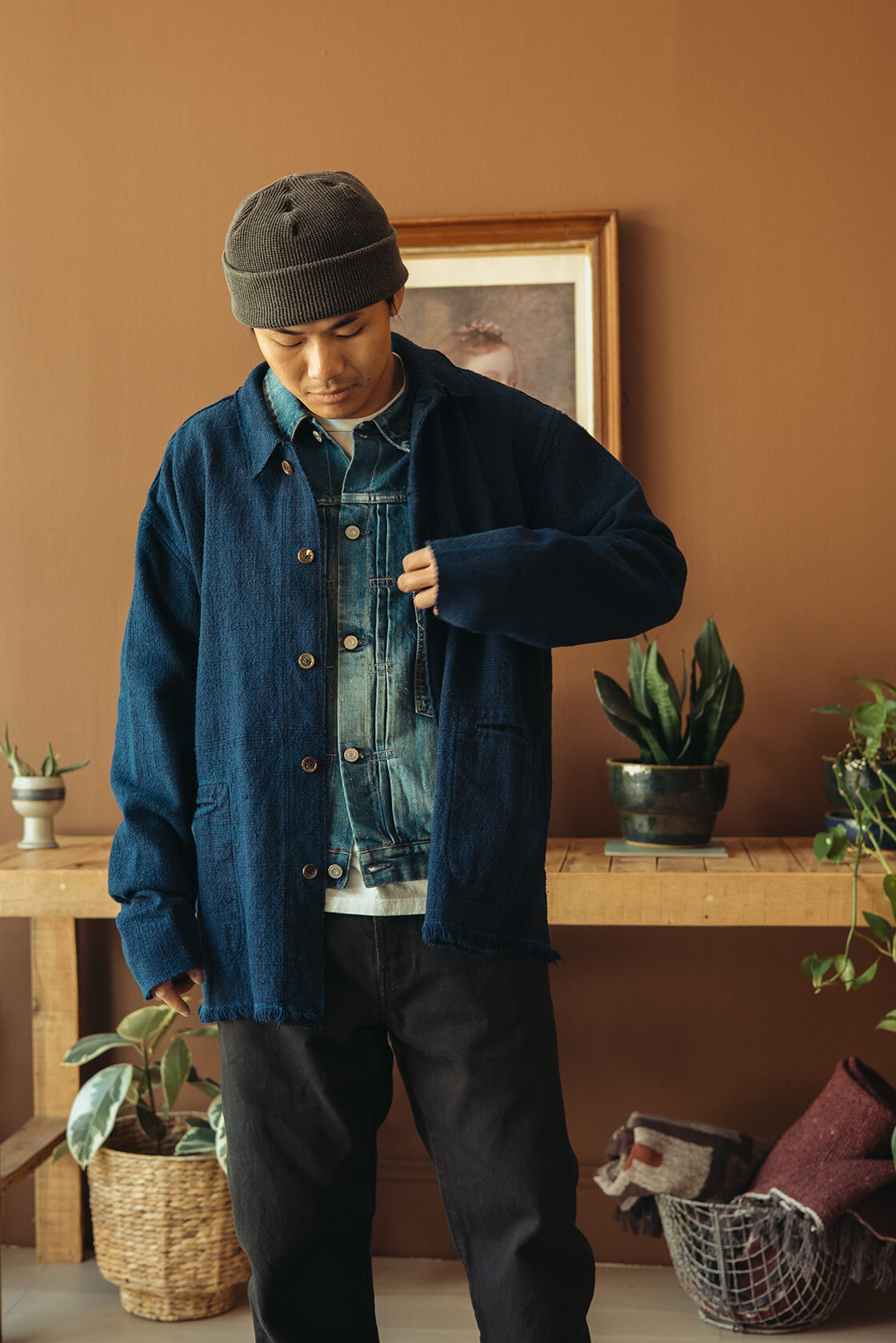
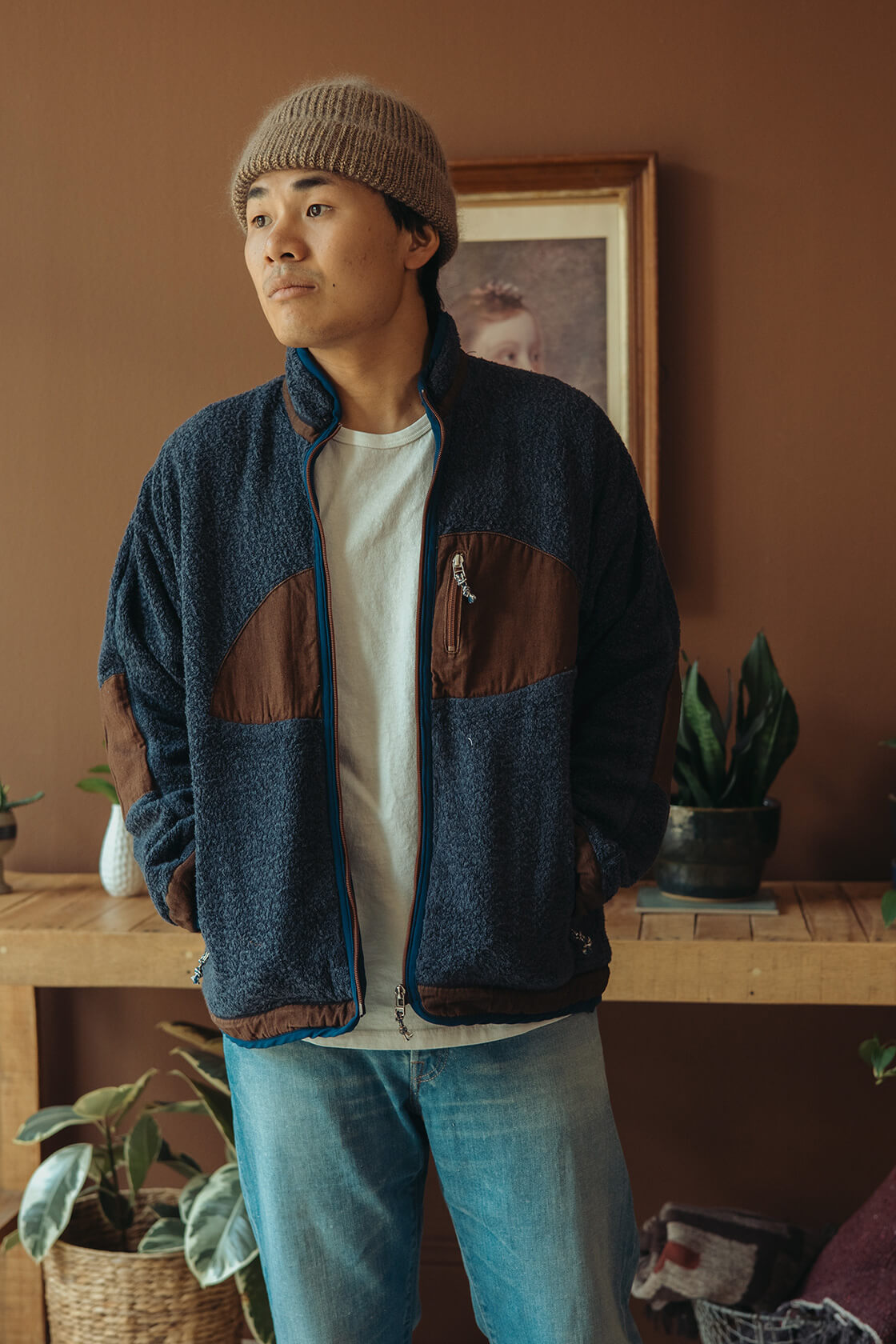
COTTLE: A UNIFORM FOR LIVING

By Geoffrey Gentry

Kojima on a spring day. There is sunlight. And an ocean that goes on forever. And cherry blossoms spilling out pale and frail into the small stream near the COTTLE atelier.

In early April of 2025, I visited COTTLE’s workshop and gallery space to take in the brand's creative vision before making my first purchase. I’d seen the products in pictures and heard from trusted sources about how incredible the garments were once in hand, but I wanted to see for myself before making the kind of fork-in-the-road purchase it felt like this might be. There is no going back once you’ve fallen in love.  

COTTLE operates out of a beautifully restored 130-year-old textile factory. This space serves not only as a workshop but also as a gallery, reflecting COTTLE's commitment to integrating inspiration, collaboration, and creation under one roof. 

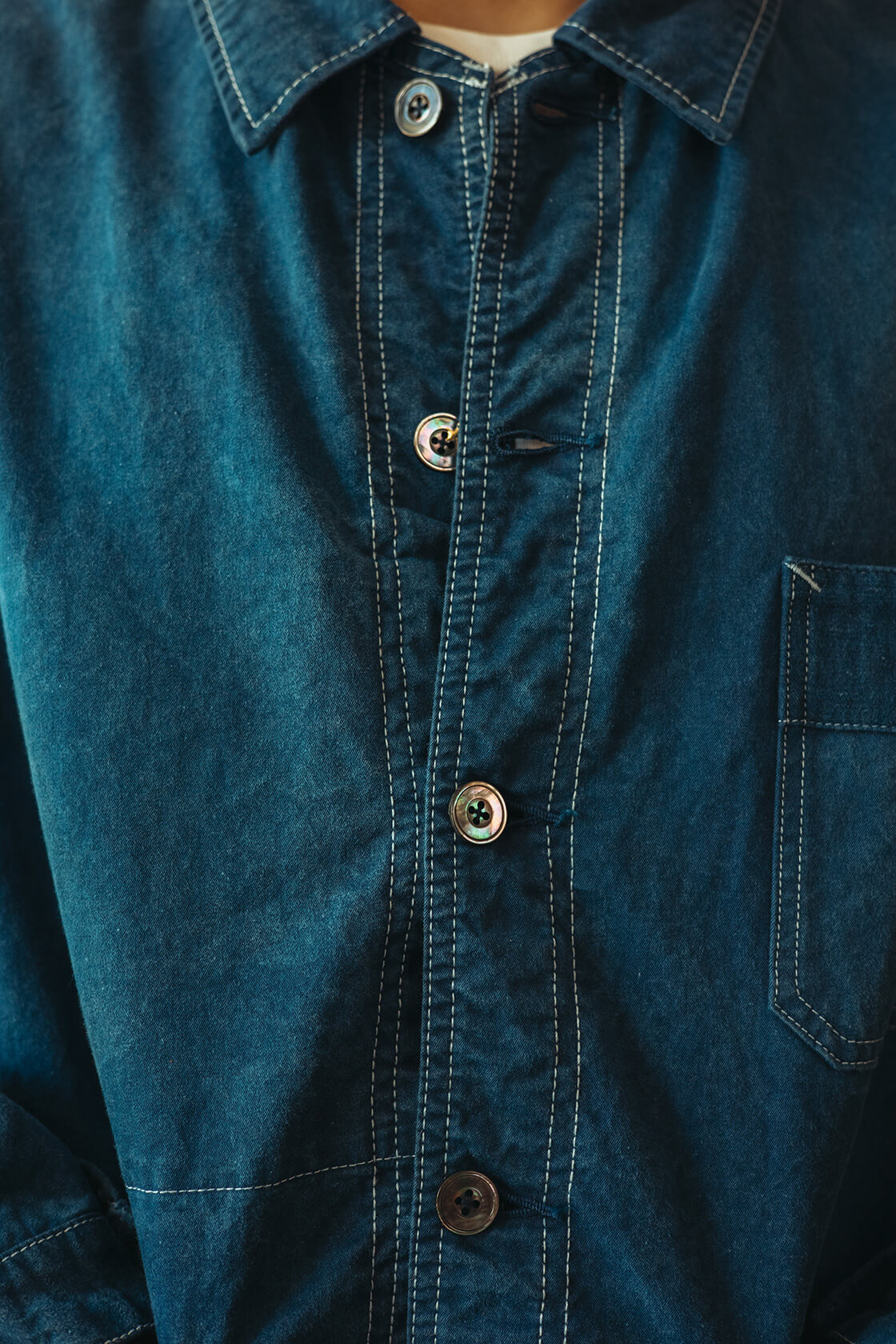
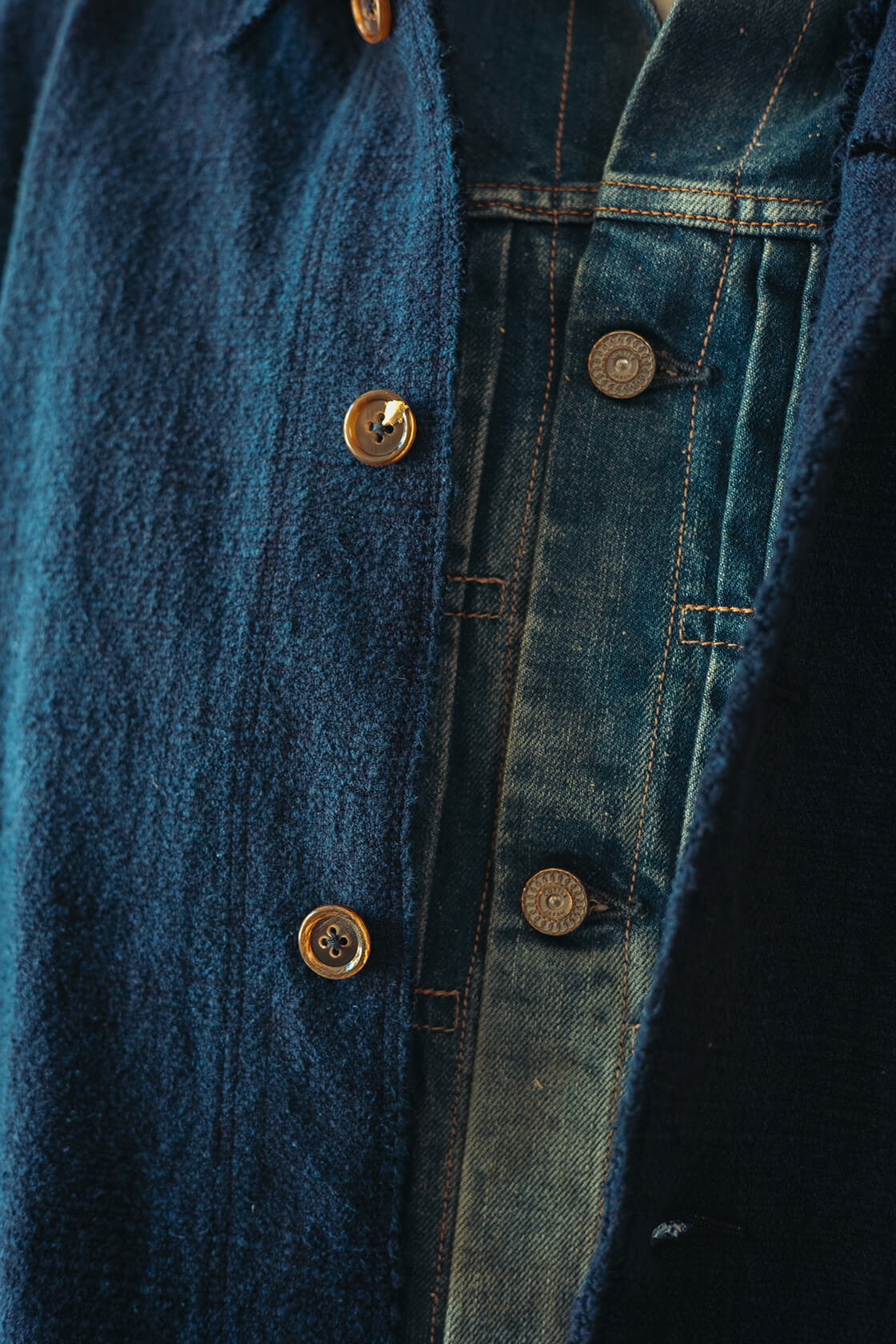
The shop itself is a gallery space in the truest sense. Wood and light and concrete are arranged to bring a sense of calm and focus as you peruse the collection. It’s become a cliche way of thinking about well-made clothing, but I didn’t get it until I saw it in person. Held it. Worked it back and forth in my hands. The way something becomes more beautiful the more you know it.

Founded in 2015 by Toshiaki Watanabe, COTTLE is a brand whose approach to craftsmanship and general presence makes loyal fans out of those fortunate enough to hold these garments in hand. It is art become cloth.  

The brand is forever in dialogue with the landscape, heritage, and people of Kojima. There is a physicality to its philosophy. A coat inspired by a crack in the workshop wall. A jacket that takes its reference from the veins of a leaf under sunlight. Corduroy dreamed up in a wheat field at golden hour. It is mud. And ink. And history. And a clear vision of how it all comes together over the human body.  

For students of Japanese brands, all roads lead back to Kojima. Big John, Momotaro, Kapital, and more. This is the living heart of denim in Japan. Older still is the Kurashiki region's nationally recognized folk craft tradition. These are the weavers, potters, sewists, and textile workers amongst whom COTTLE locates itself in history. 

Toshi-san is a Bunka Fashion College alumnus (the school that produced Yohji Yamamoto), and takes great care and consideration in the translation of Kurashiki’s history into the vision and operation of COTTLE.  

It is a powerful thing when you can point to something specific in the earth and say, “This is why I make my art the way I do.” This clarity of vision is why Toshi-san can afford to be patient, meticulous, and intentional in his design and production process. There is no need to rush when you know you’re going to get where you want to go.
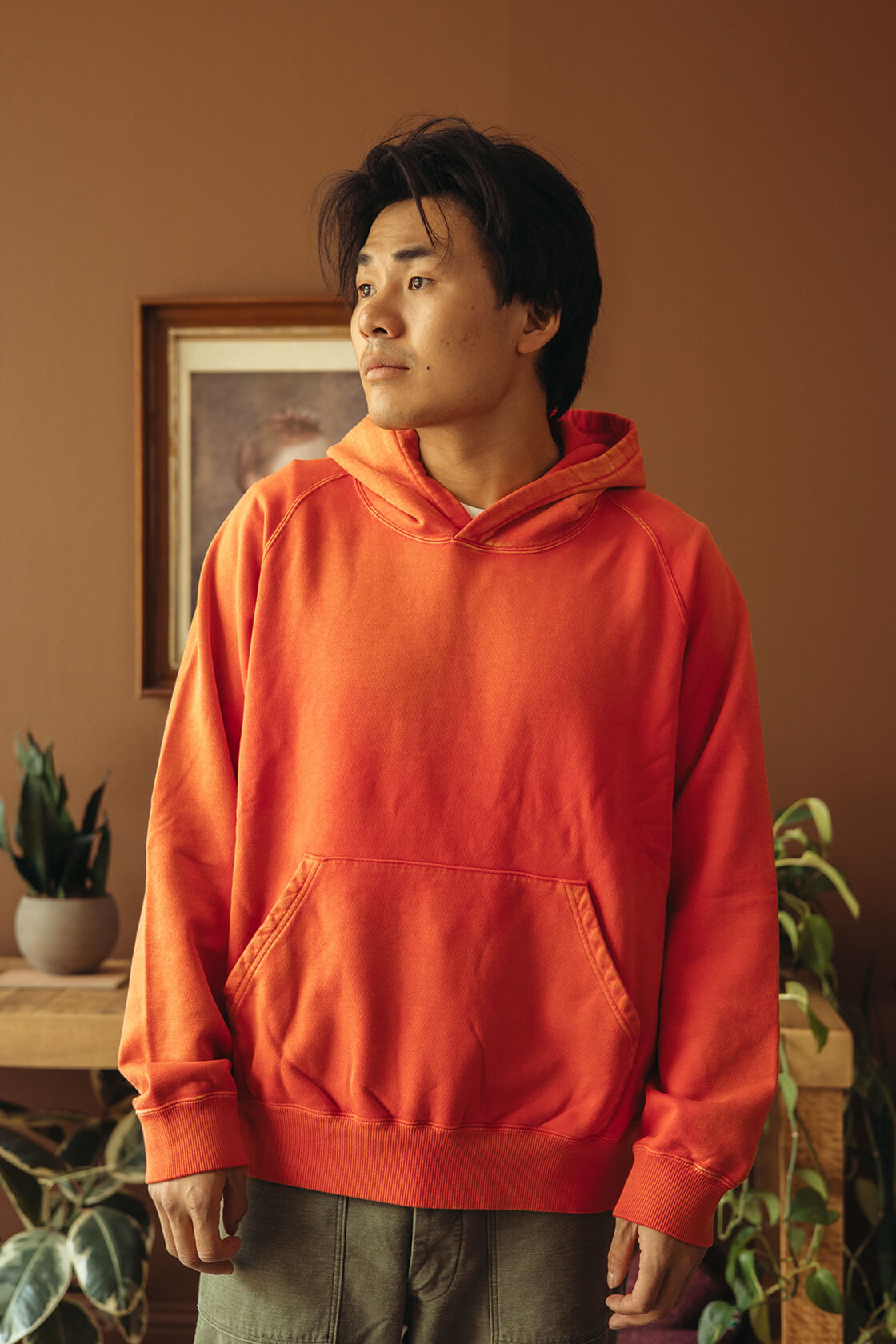
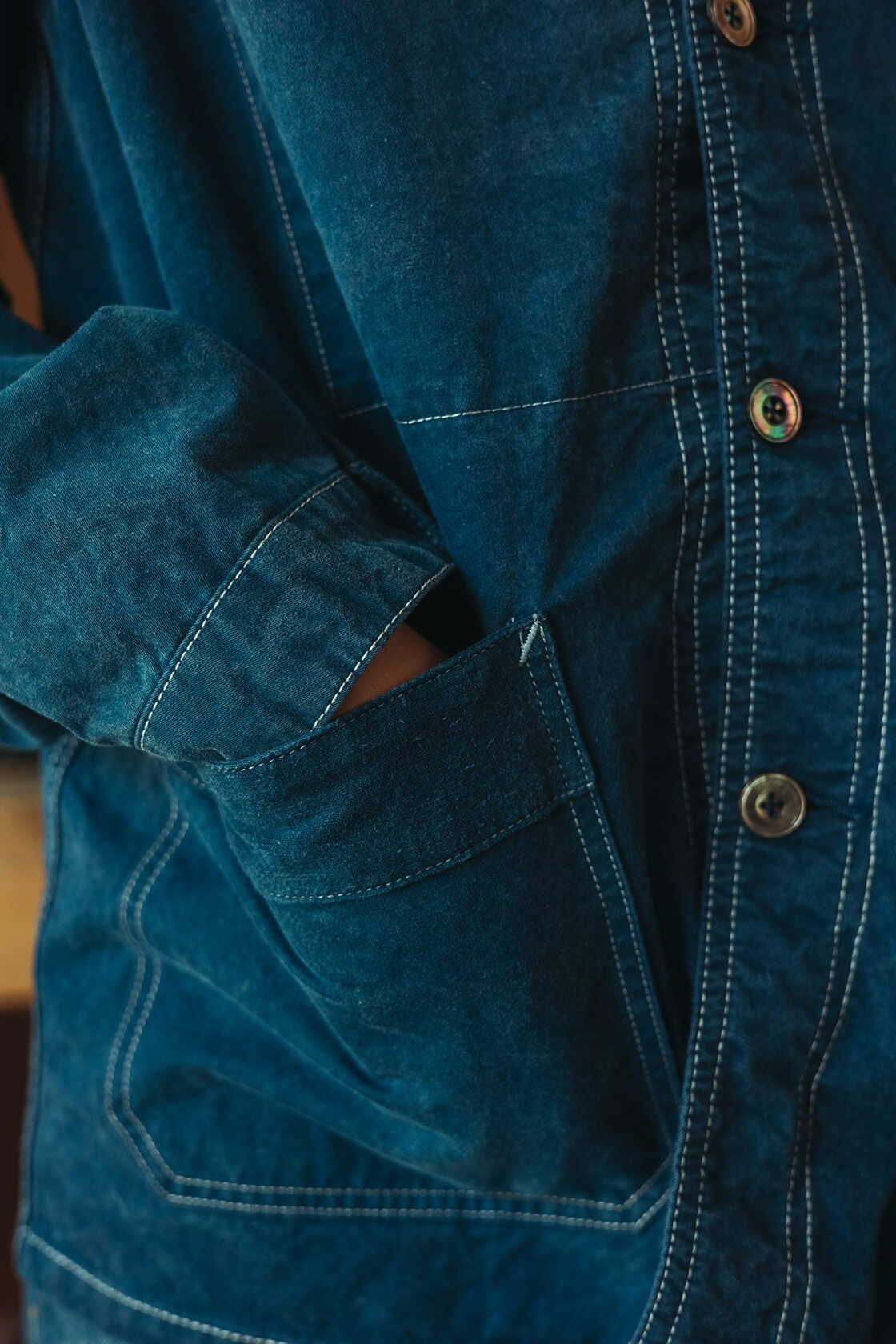
I bought a denim jacket and a coke red sweatshirt. I love them both. You can get similar items here. Here. And here.  

A waiter once told me it was “an honor to be able to serve this wine” about a particular bottle of wine they rarely had available, but happened to have that night. I was caught off guard by the word choice. Who is that moved by wine? Of course, by the end of the meal, he was right, and it was simply that I just didn’t understand it yet.  

COTTLE was like that for me. A fruit I’d heard of but never tasted. A city I’d seen in pictures but hadn’t visited. A record I knew people loved, but hadn’t heard for myself.  

It is a funny thing, to see a piece of denim and know you want to wear it forever. That you want your life to take shape in its shape. A walk in the park. Standing in line at the grocery store. Going home for a visit with your father. But this is what it means to make a uniform for living.  

With COTTLE, Toshi-san is adding his voice to the chorus of folk crafters that have come before. It is a continuation, a celebration, a remembering. A dialogue across centuries of making. And now it is COTTLE’s turn to add to this history. 

If you’d like to read up more on the thinking behind COTTLE’s unique approach to materials and craftsmanship, I recommend reading through the detailed brand dictionary they’ve created on their site. You can see Canoe Club’s full collection here.