
Fashion was long reserved for the elite. For years, it was luxurious, exclusive, and unattainable. Mass production eventually made trends accessible to the broader public, but often through unethical labor, poor materials, and derivative design. As both high fashion and fast fashion reached extremes by the 1980s, a new movement emerged in opposition: avant-garde and slow fashion. This countercurrent began in Japan with labels like Comme des Garçons, favoring androgyny, muted palettes, and unconventional silhouettes. It evolved through Belgian designers like Margiela, emphasizing designer anonymity, deconstruction, and the celebration of vintage garments while breaking away from the standard fashion calendar.
ALL ABOUT JAMES COWARD
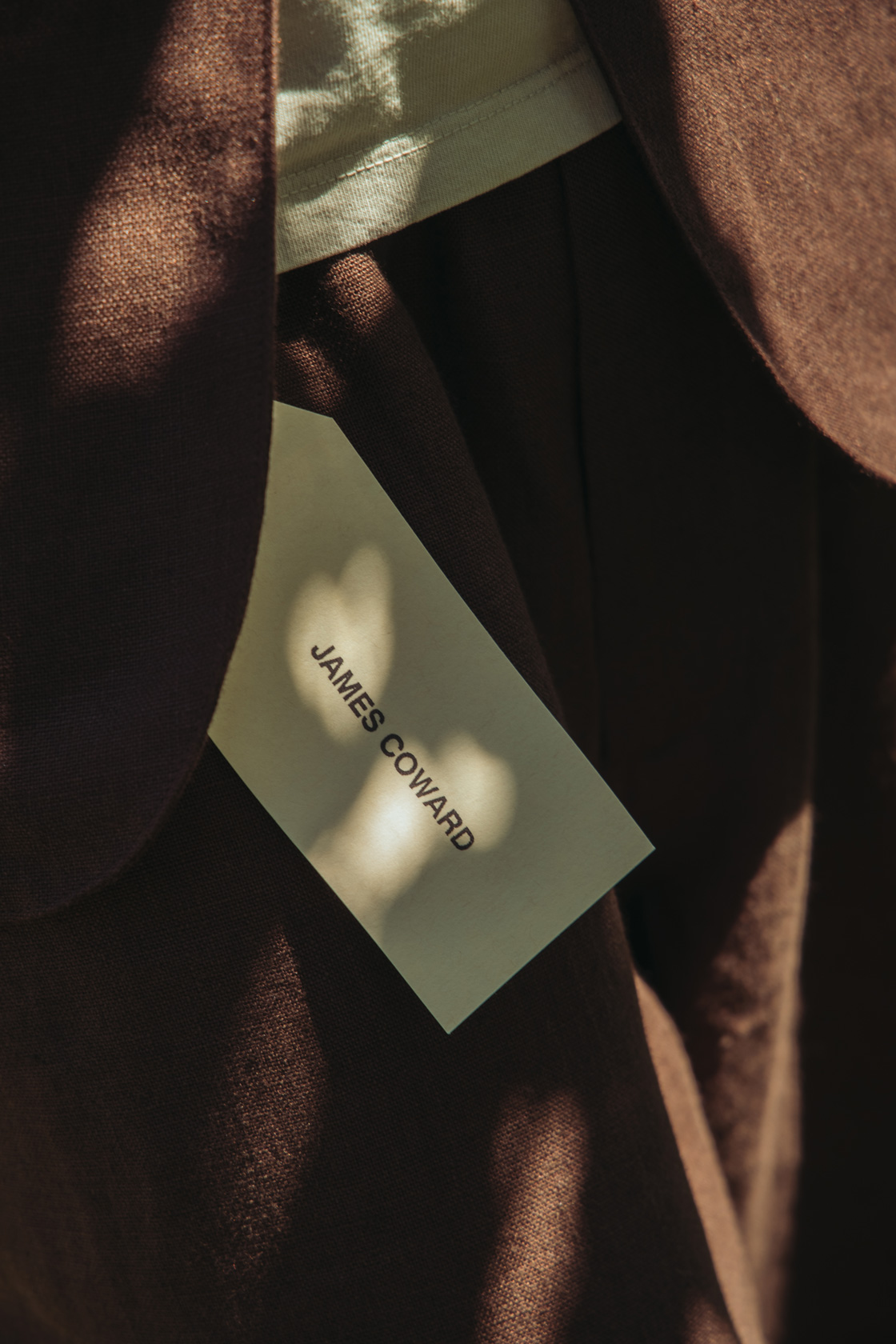
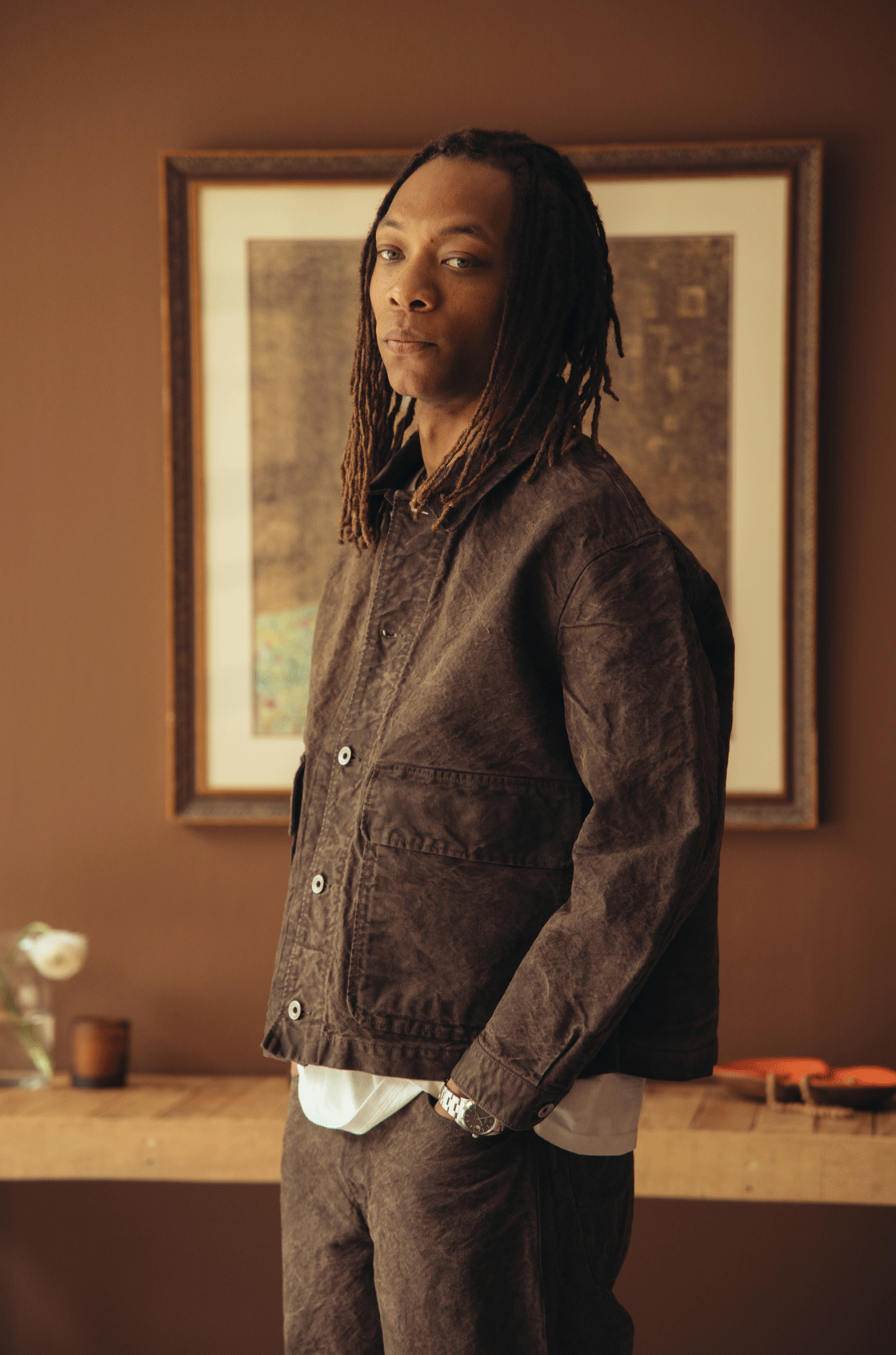
At the furthest edge of this slow fashion movement is James Coward, a label defined by thoughtful resistance to industry norms. Despite the name, there is no "James Coward" at the helm. Instead, the brand is led by Patrick Bull, Daniel Garrod, and Aaron Gray, who chose the moniker to reflect a creative duality: James evokes tradition, strength, and formality, while Coward suggests caution and hesitance. This tension captures their ethos of deliberate, meticulous design. Each garment from the brand is pored over and highly scrutinized, leading to only the most intentional products. Because of this, James Coward avoids the fashion calendar, only releasing complete ideas, totally eradicating any underdeveloped or halfhearted designs.
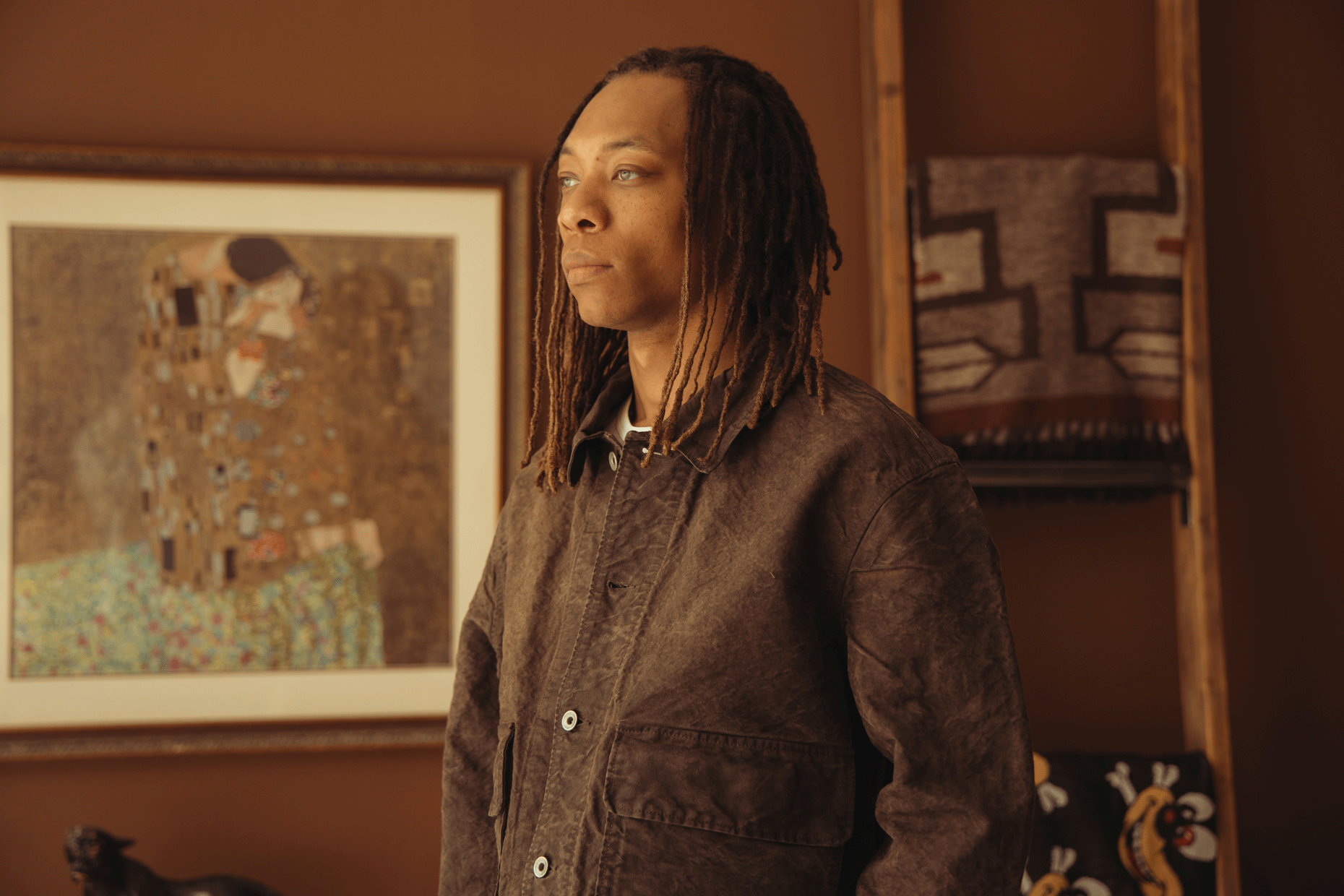
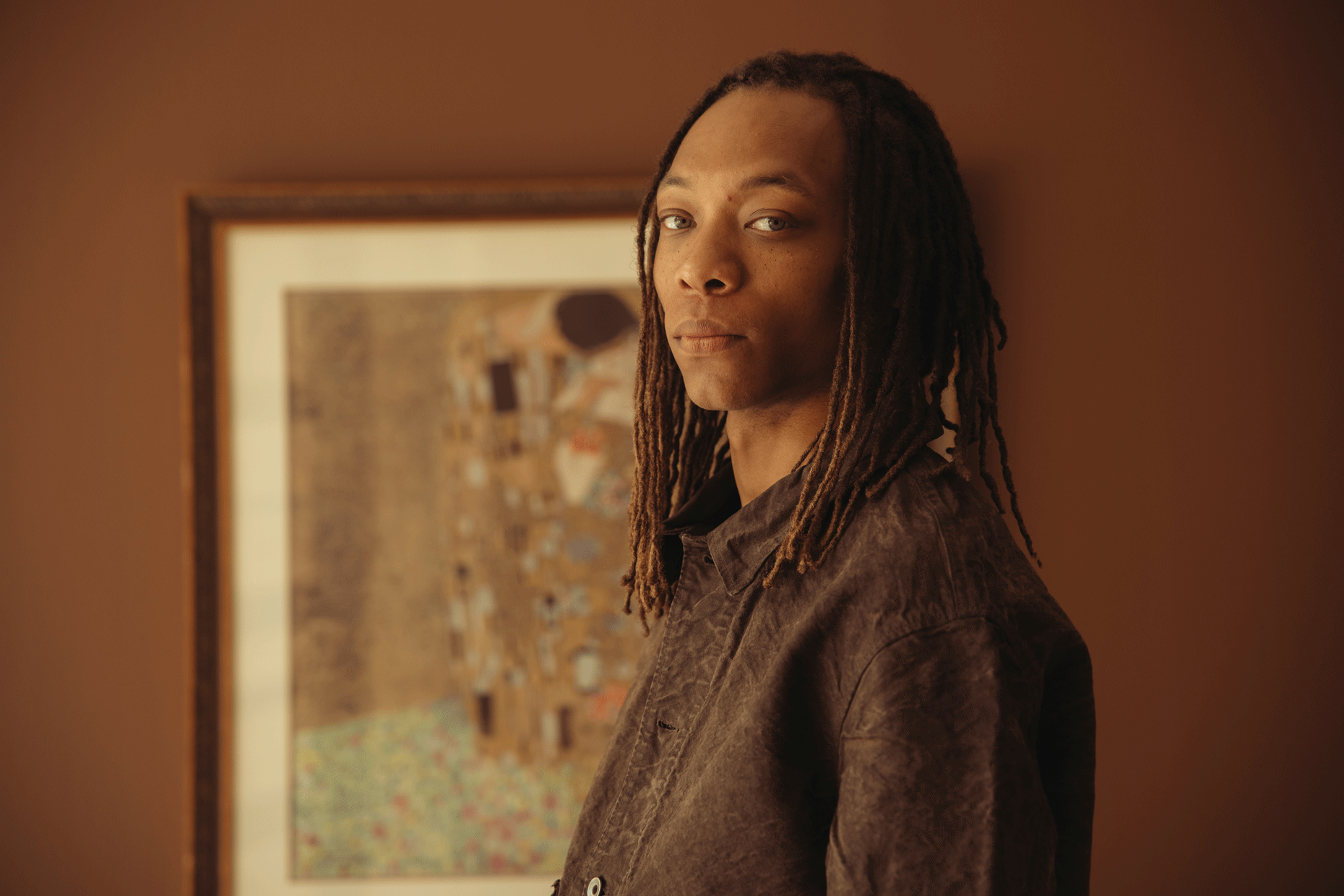
Archetypical shapes and historic influences also play a great role in James Coward wearability. Using familiar garments with utilitarian backgrounds, James Coward relaxes the leg shape and drops the shoulders, making pieces that can be slipped into effortlessly and worn casually. The brand makes clothes for wearers, not consumers, focusing on how fabrics from heritage mills can best suit modern lifestyles. The James Coward interchangeable Carry On suit made of a densely woven ‘welterweight’ linen sourced from Belgium, make the jacket and pants light enough for easy travel, but substantial enough for office wear. The versatile 12oz denim used in the 5 Pocket Jeans feature a one-wash finish, kickstarting the break-in while allowing plenty of time for the patina to develop. The shirting takes care to implement seasonal features; the short sleeve Sundown and its long sleeve counterpart, the Filter Shirt, exhibit a breezy yet dense cotton/wool typewriter fabric leading to incredible strength for their lightness. The Workshop Shirt wears mightily as a stand alone garment but also acts as an ideal layering piece. While perfect for any season and reminiscent of workwear shirts of bygone eras, the James Coward re-work makes for the pinnacle of this style featuring snap buttons- worthy of wear in the studio for carpenters and painters alike.
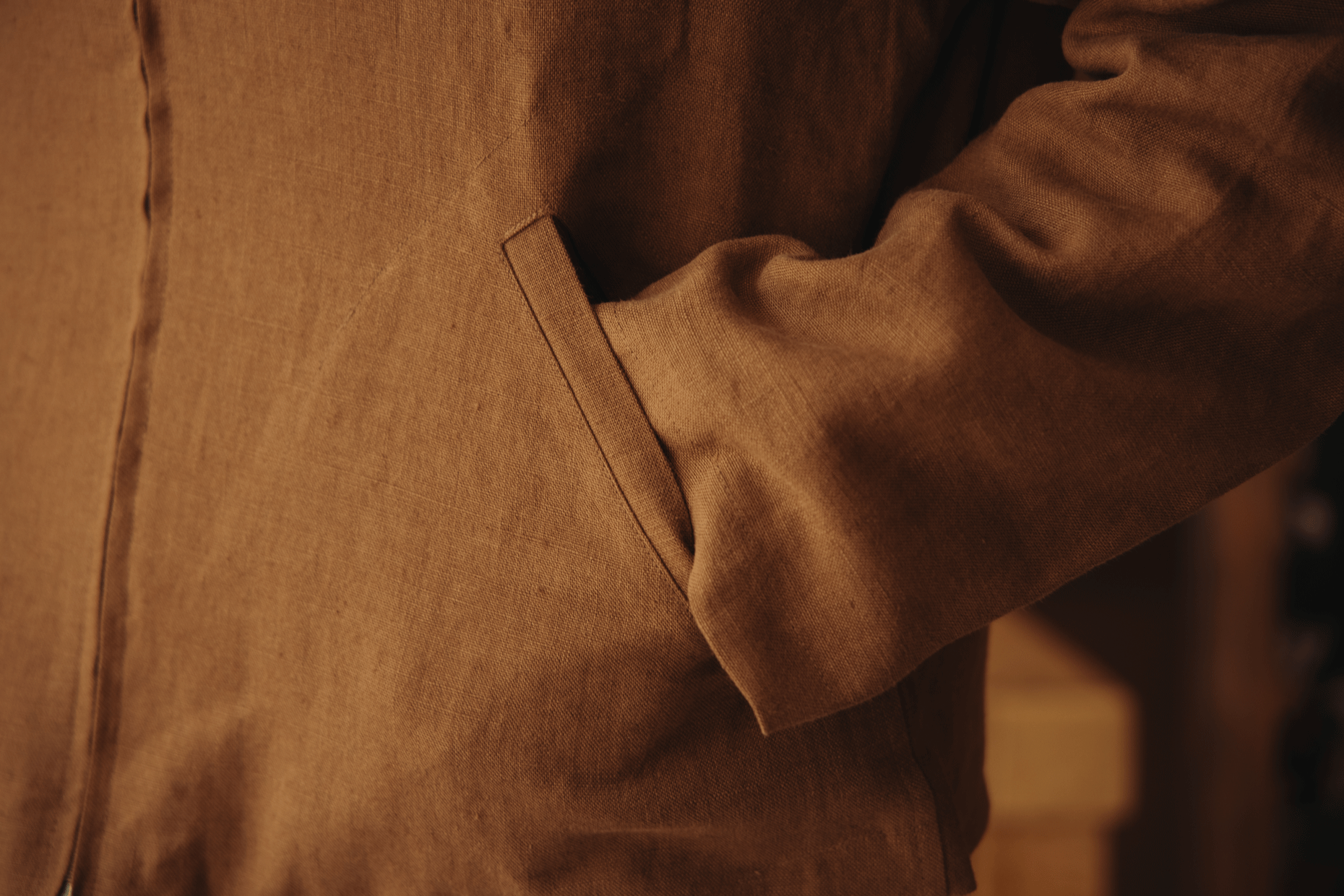
The Travail Overshirt’s name speaks for itself, with the scrutiny and fineness the James Coward collective exhausted in its creation, the Travail is the heartiest shirt in the collection. The airy Belgian linen allows for layering in any season making it the ultimate overshirt.
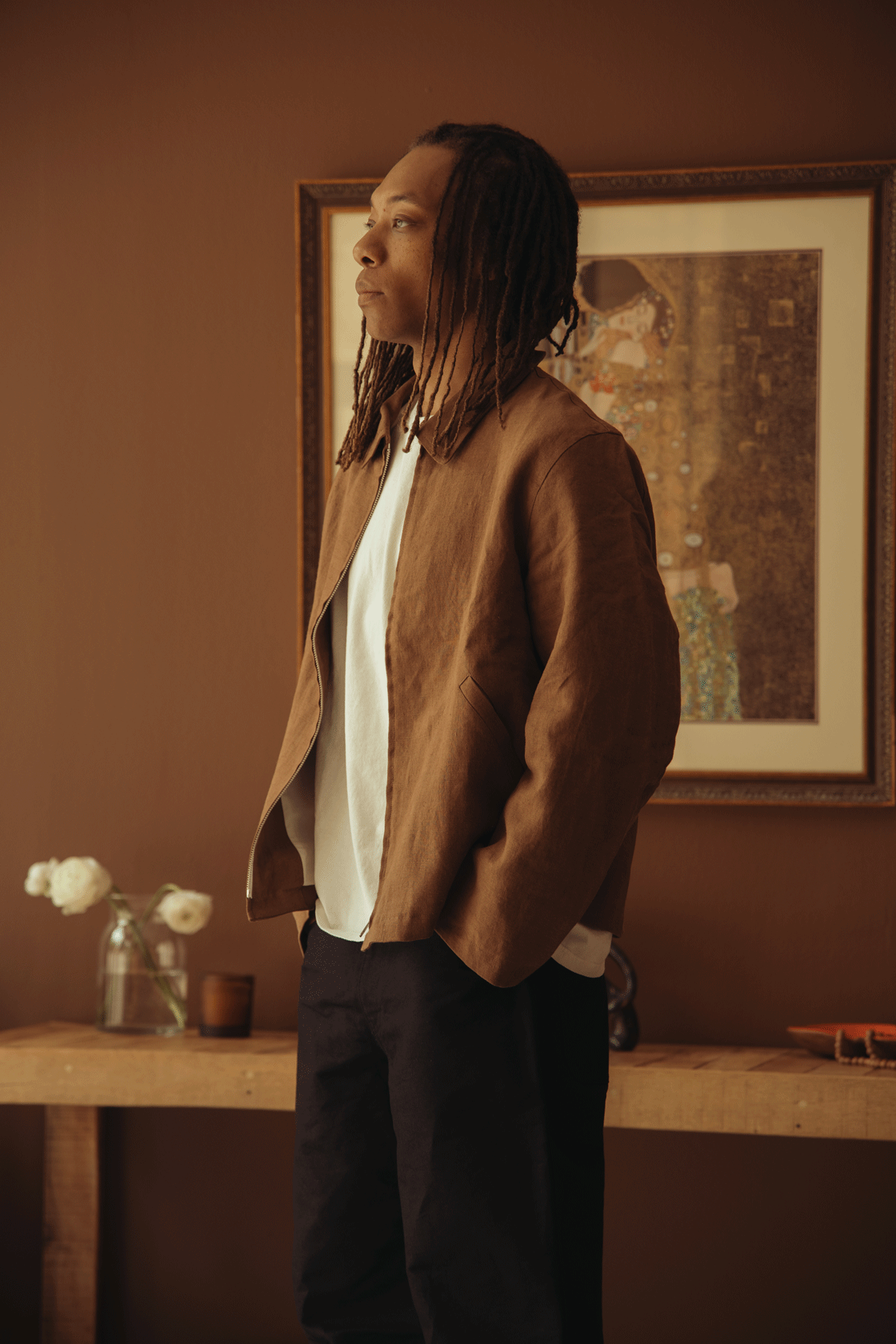
James Coward outerwear intertwines natural finishes with modern techniques; the waxed organic ripstop used to make their zip-up Site Jacket and button-up-trucker, the Range Jacket, is unstoppable with added waterproofing and durability. The Replica Jacket is the James Coward model most people know. With its Western inspired snap buttons, the Replica jacket will darken over time as the tannins in the persimmon dyed cotton-washi duck cloth age to the owner's movement.
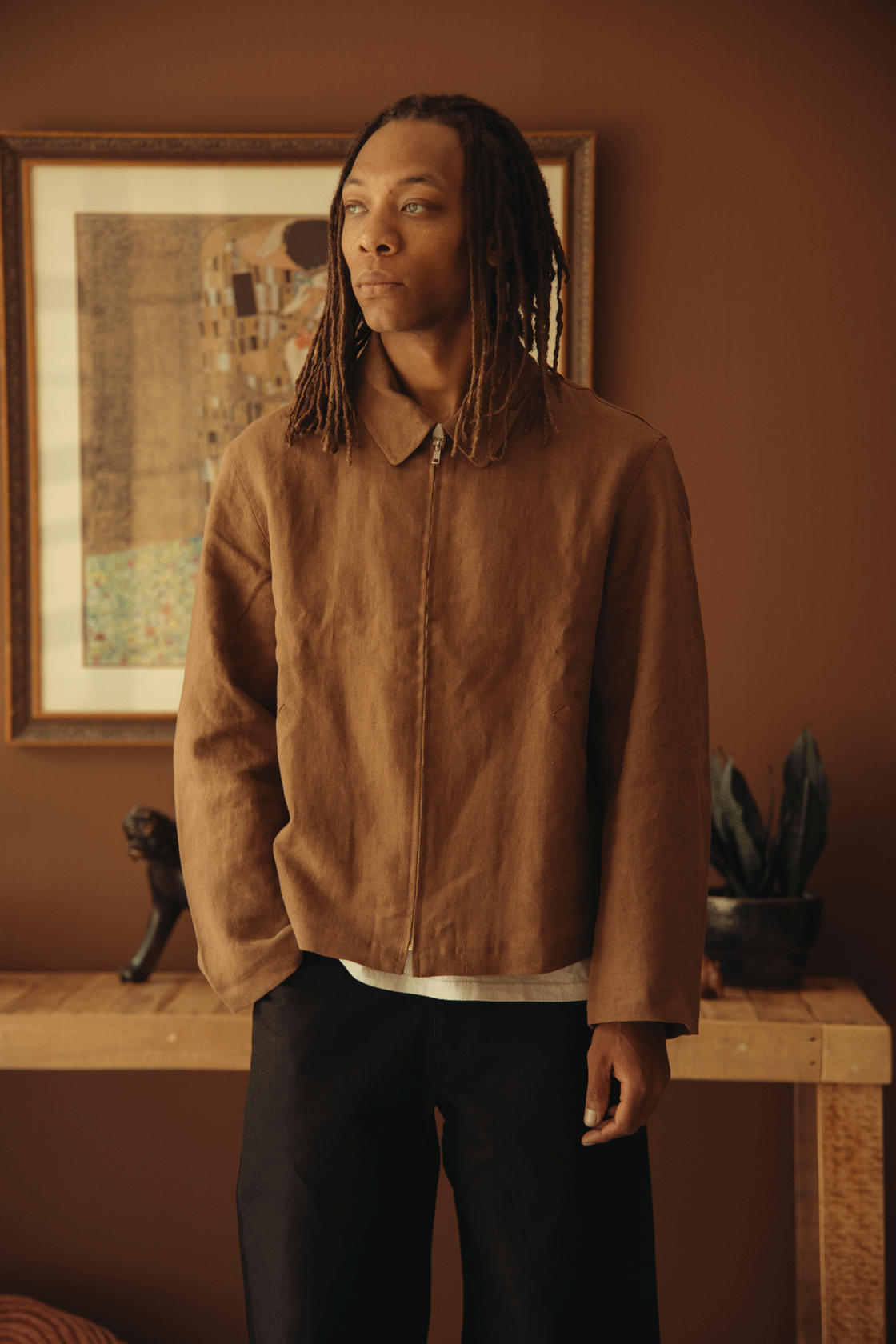
In each of these garments, aging is a virtue, function is crucial to their designs, and style and silhouette exist outside of trends. Even their sizing notably exists beyond the societal register, without any positive or negative connotations. You simply wear what fits.
The James Coward wardrobe is the be-all and end-all of the slow fashion movement. By reinterpreting proven utilitarian garments in heritage-milled fabrics through an ultra-fine loupe, the James Coward offerings supersede commercialism and trends. Every piece is designed to be comfortably lived in and reflect the character of its wearer. Where newness was the ephemeral ideal, James Coward clothes embrace time becoming more beautiful with use. Their overdyes and natural pigments lend expression with every wear and the versatility defeats the nitpickinness of trends. James Coward is a brand built on the tension of passion and consideration. The clothes are comfortable and relaxed while going against the grain. They’re familiar styles, but totally unlike similar looking garments. They’re radical, yet work in any wardrobe. A seemingly impossible project– a collaborative brand that exudes excitement about clothes while limiting their output to only the most fully realized designs– is only possible in James Coward.